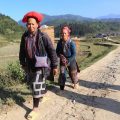
If you want to experience a quieter side of Sapa, away from the busy town center and the most visited attractions, a Ma Tra and Ta Phin village trekking route is worth considering. The trail leads through mountain valleys, rice terraces, small villages and farmland while introducing travelers to the daily life of local ethnic communities.
Unlike a visit to Sapa’s more commercialized attractions, this journey is about slowing down, walking through the countryside and seeing how people live among the mountains.
Ma Tra Village: The Beginning of the Journey
Located a short distance from Sapa town, Ma Tra Village is surrounded by rolling hills and terraced farmland. The scenery changes with the agricultural seasons, making the village particularly attractive for travelers who enjoy photography and walking.
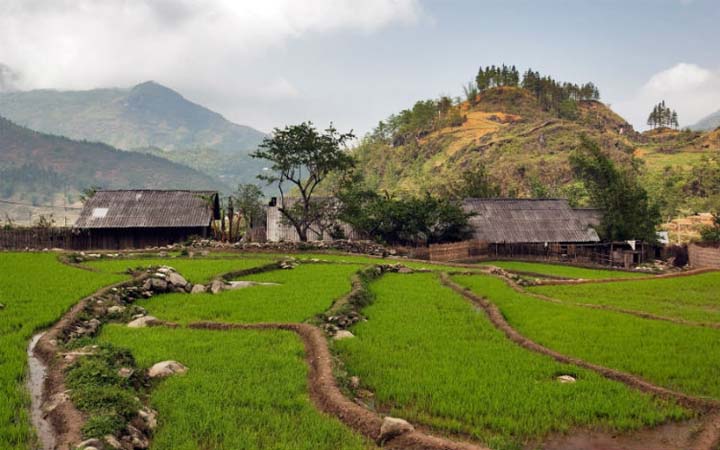
As you leave the town behind, the landscape quickly becomes more rural. Small paths wind between houses and fields, while farmers work in the terraces depending on the season.
One of the pleasures of trekking through Ma Tra is that there is no single dramatic attraction you need to find. The landscape itself is the experience.
You may see buffalo grazing beside the fields, children playing around village homes, or farmers carrying tools along narrow paths. On clear days, the surrounding mountains create a beautiful backdrop, while mist can transform the valley into something much more atmospheric.
Ta Phin Village: Discover Red Dao Culture
From Ma Tra, the route can continue toward Ta Phin Village, home to communities of Red Dao people and other local ethnic groups.

Ta Phin is particularly interesting for travelers who want to learn about traditional mountain culture. The Red Dao are known for their distinctive clothing, intricate embroidery and traditional knowledge of medicinal plants.
Walking through the village, you may encounter women working on textiles or hear stories about local customs and family traditions. If you visit with a local guide, the experience becomes much more meaningful because you can understand the significance behind the clothing, houses and everyday activities rather than simply taking photographs.
A More Authentic Sapa Trekking Experience
The appeal of Ta Phin Village Sapa trekking is not about conquering a difficult mountain trail. It is about experiencing the countryside at walking pace.
Depending on the route and weather, the trail can pass through:
- Rice terraces and seasonal farmland
- Small mountain paths and forested areas
- Traditional village houses
- Streams and valleys
- Local farms and gardens
- Scenic viewpoints over the surrounding mountains
Some sections can become muddy and slippery after rain, so proper walking shoes are much more useful than fashionable sneakers.
What Is Special About Ta Phin?
One of the highlights of Ta Phin is the opportunity to learn about Red Dao herbal traditions. Herbal baths are an important part of the local cultural experience, with mixtures of forest plants traditionally prepared by Red Dao families.
After several hours of walking, soaking in a warm herbal bath can be a wonderful way to finish the day.
The experience is particularly enjoyable when arranged through a local family rather than treated simply as a spa treatment. You get a glimpse into a tradition that has been passed between generations.
Ma Tra vs. Ta Phin: Which Should You Visit?
They offer slightly different experiences.
Ma Tra is ideal if your priority is countryside scenery, rice terraces and a relatively quiet walk close to Sapa.
Ta Phin is better if you are particularly interested in ethnic culture, traditional handicrafts and the Red Dao way of life.
For travelers with enough time, visiting both Ma Tra and Ta Phin makes more sense than choosing only one. The combination creates a fuller picture of rural Sapa – landscape first, culture second.
Best Time for the Ma Tra – Ta Phin Trek
The scenery changes dramatically throughout the year.
March–May: The valleys become increasingly green as farmers prepare and cultivate the rice terraces.
June–August: The rice fields are lush and vibrant, although this is also a wetter period, so trails can be muddy.
September–October: One of the most beautiful periods for photography, when many rice terraces turn golden before harvest.
November–February: Cooler weather and frequent mist create a very different atmosphere. The terraces may not be as colorful, but the mountain scenery can feel wonderfully mysterious.
Travel Tips for Visiting Ma Tra and Ta Phin
Go with a local guide if possible. A guide can explain the culture and take you along smaller village paths that are easy to miss on your own.
Wear proper walking shoes. Even an easy route can become slippery after rain.
Carry water and a light rain jacket. Sapa’s mountain weather can change quickly.
Respect local people. Always ask before photographing someone closely, particularly when visiting homes or observing traditional activities.
Buy directly from local artisans. If you want souvenirs, purchasing handmade textiles or crafts directly from families is a better way to support the community.
Don’t rush. The best moments are often not at a viewpoint but somewhere along the trail—a conversation with a farmer, mist moving through the valley, or the sound of water running beside the path.
Why Visit Ma Tra and Ta Phin?
Sapa is famous for Fansipan, spectacular rice terraces and dramatic mountain scenery, but its real charm lies in the villages scattered throughout the valleys.
A Ma Tra and Ta Phin trekking experience gives you the chance to step away from the main tourist routes and see a slower, more traditional side of northern Vietnam. You walk through farmland, meet local communities and experience the landscape as part of everyday life rather than simply looking at it from a viewpoint.
For travelers who have an extra day in Sapa and want something more cultural and less crowded, Ma Tra and Ta Phin are two villages worth putting on the itinerary.